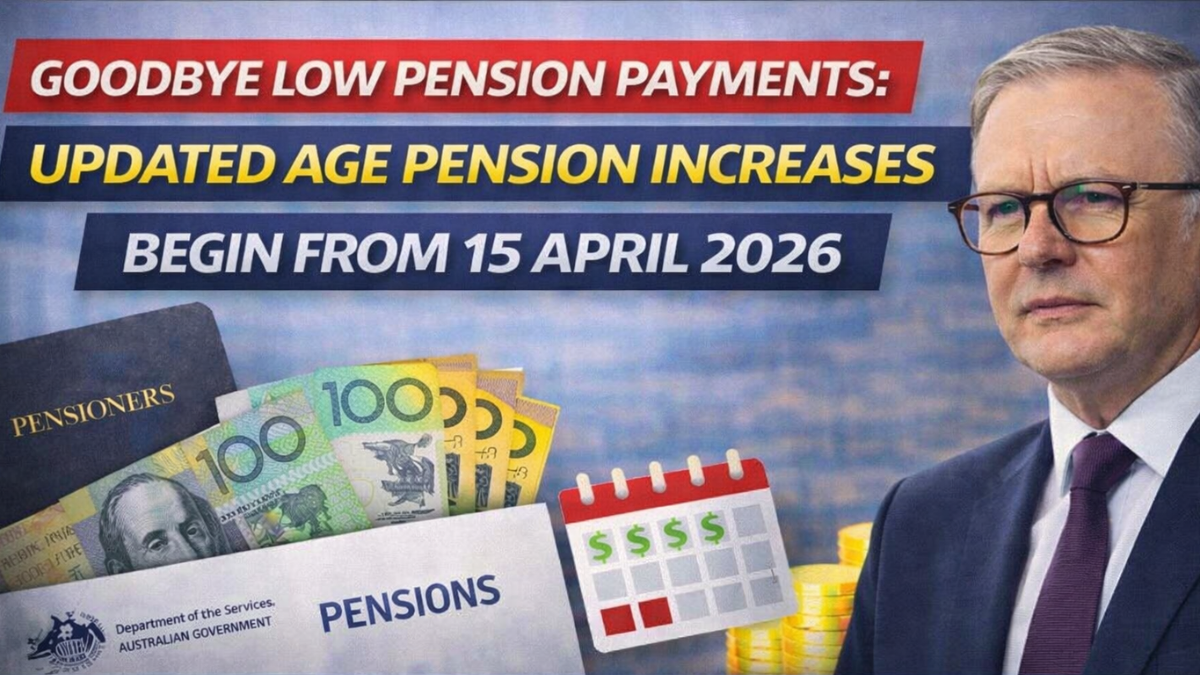
Australia’s government is set to roll out a $1,200 cost of living payment in 2026, aiming to provide much-needed relief to individuals facing financial pressure due to rising expenses. With the ongoing economic challenges, understanding who qualifies for this payment, how it affects tax returns, and strategies to maximize the benefits can significantly impact household budgets. Here’s what you need to know about the eligibility requirements, tax implications, and ways to optimize this financial aid.
Eligibility for the Cost of Living Payment
The $1,200 cost of living payment is designed to assist Australians who are most impacted by the increasing cost of essential goods and services. To qualify for this payment, applicants must meet certain criteria that primarily focus on income thresholds and residency status. Typically, eligible candidates include low to middle-income earners, pensioners, and those receiving specific government benefits. It’s crucial for potential recipients to check their current status against the Australian Taxation Office’s (ATO) updated guidelines as they prepare their applications.
Moreover, individuals must hold Australian citizenship or permanent residency status. Temporary residents may not be eligible unless specified by special provisions under certain visa conditions. It’s advisable for applicants to gather necessary documentation well ahead of time to ensure a smooth application process.

Understanding ATO Tax Return Timelines
The timing of the $1,200 payment is closely linked with the annual tax return submissions managed by the ATO. For those looking to claim this benefit in 2026, submitting a timely and accurate tax return is essential. The ATO usually opens for submissions around July each year and it’s advisable not to delay filing your tax returns until closer to the deadline. This ensures any discrepancies can be resolved without affecting your eligibility or delaying your payment.
Additionally, since this financial support is processed through tax return data, any inaccuracies or incomplete information could result in processing delays. Therefore, potential recipients should ensure all earnings are correctly declared and supporting documents are ready before the March 31 deadline.
Maximizing Financial Relief Amid Rising Expenses
To make the most out of the $1,200 cost of living payment, beneficiaries should consider prudent financial planning strategies. Start by assessing current expenditures and identifying areas where savings could be maximized. By creating a detailed budget that prioritizes essential expenses such as groceries and utilities over non-essential spending like entertainment or dining out, families can stretch their dollar further.

Furthermore, exploring additional government assistance programs can compound this relief effort. Many local councils offer discounts or rebates on utility bills or public transport costs for eligible residents. These supplementary aids can alleviate some financial burdens when combined with the federal government’s cost of living payments.
Preparing for Future Economic Uncertainties
As economic fluctuations continue to affect daily life in Australia, preparing for future uncertainties becomes increasingly important. While the $1,200 payment provides short-term relief from immediate expenses, long-term financial planning remains critical. Building an emergency fund that covers three to six months’ worth of essential expenses can provide a safety net against unforeseen circumstances such as job loss or sudden medical costs.
Additionally, investing in financial literacy can empower individuals and families to manage their finances more effectively during tough times. Workshops on budgeting, saving strategies, and understanding investment opportunities are often available through community centers and local educational institutions.

Conclusion
Understanding how the $1,200 cost of living payment fits into Australia’s broader economic framework can help individuals not only navigate immediate challenges but also build resilience against future economic shifts. By meeting eligibility criteria promptly and utilizing strategic financial planning tools alongside governmental aid programs, Australians can better manage their household budgets amid rising costs.
Disclaimer: This article provides general information regarding Australia’s cost of living payments in 2026 based on available data as of March 31, 2026. For personalized advice tailored to individual circumstances or further details about eligibility rules and timelines beyond what is provided here, consulting directly with relevant government bodies or financial advisors is recommended.