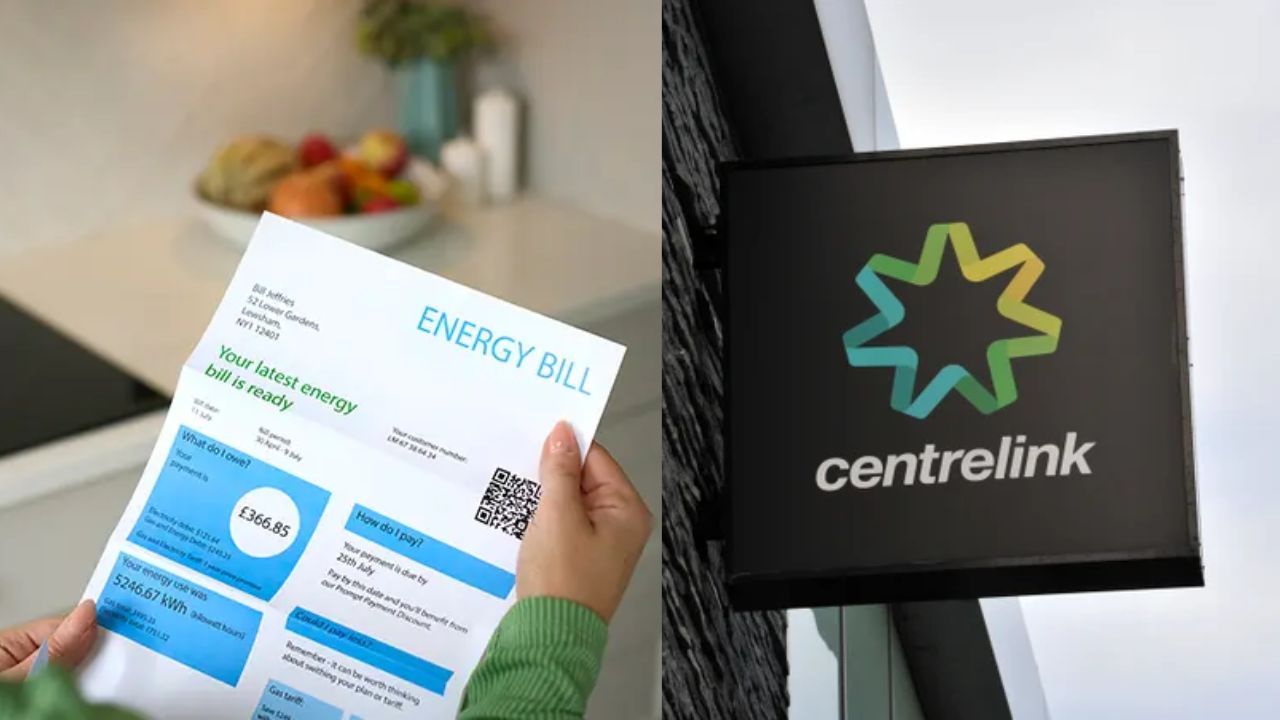
Australians have long felt the pinch of rising electricity bills, but a significant change is on the horizon that promises to alleviate this financial burden. Starting March 15, 2026, new energy regulations and initiatives are set to come into play, potentially saving households up to $600 annually. This development marks a pivotal turn towards more sustainable energy consumption and cost-effective living for Australian families.
The New Energy Framework
The core of this transformation lies in the government’s newly introduced energy framework, which is designed to restructure how electricity is generated, distributed, and consumed. This framework focuses on integrating renewable energy sources more effectively into the national grid, thereby reducing dependency on fossil fuels. By promoting solar, wind, and other sustainable energy options, the initiative not only aims to lower costs but also reduce the carbon footprint associated with traditional power generation methods. This strategic shift is anticipated to stabilize the volatility seen in electricity pricing over recent years, providing consumers with a more predictable and manageable monthly bill.
Impact on Household Budgets
For many families, rising electricity costs have been an ongoing concern that stretches household budgets thin. The expected savings of up to $600 per year will provide much-needed financial relief for millions of Australians. These savings result from both reduced energy rates due to increased competition among providers and government subsidies aimed at easing transition costs for renewable energies. By cutting down on monthly expenses related to power consumption, households can allocate their resources more effectively towards other essential needs or savings. Moreover, consumers are encouraged to adopt energy-saving practices and technologies that further enhance these financial benefits.
Technological Innovations Driving Change
Technological advancements play a crucial role in this shift towards cheaper electricity bills. Innovations such as smart grids and advanced metering infrastructure allow for real-time monitoring and efficient distribution of energy across the grid. These technologies facilitate better demand management by predicting peak usage times and distributing resources accordingly, thereby optimizing energy consumption. Additionally, increased deployment of home energy management systems enables residents to monitor their own usage patterns closely, making it easier to implement changes that reduce waste and enhance savings. As these technologies become more widely adopted, they stand to significantly amplify the cost-saving measures promised by the new policy changes.
Environmental Benefits
Beyond economic advantages, this move towards renewable energy sources carries substantial environmental benefits. By reducing reliance on coal-fired power plants and other non-renewable sources, Australia can significantly cut its greenhouse gas emissions. This transition supports global efforts against climate change while setting a precedent for other nations grappling with similar challenges of high power costs and environmental degradation. A cleaner grid means improved air quality and a healthier ecosystem overall—benefits that extend well beyond individual households to encompass broader societal impacts.
A Promising Future
The changes set for March 15 represent not just a response to escalating electricity costs but also a step forward in Australia’s commitment to sustainability. With government policies supporting clean energy investments and encouraging consumer participation through incentives and educational programs, there is optimism about achieving long-term reductions in utility expenses while fostering environmental stewardship. As citizens prepare for this upcoming transition period, they stand at the cusp of an era marked by more affordable living expenses coupled with ecological responsibility.

Disclaimer: This article outlines future projections based on current policy developments related to Australia’s energy sector as of October 2023 data analysis. Actual outcomes may vary based on implementation specifics and evolving economic conditions post-March 2026.