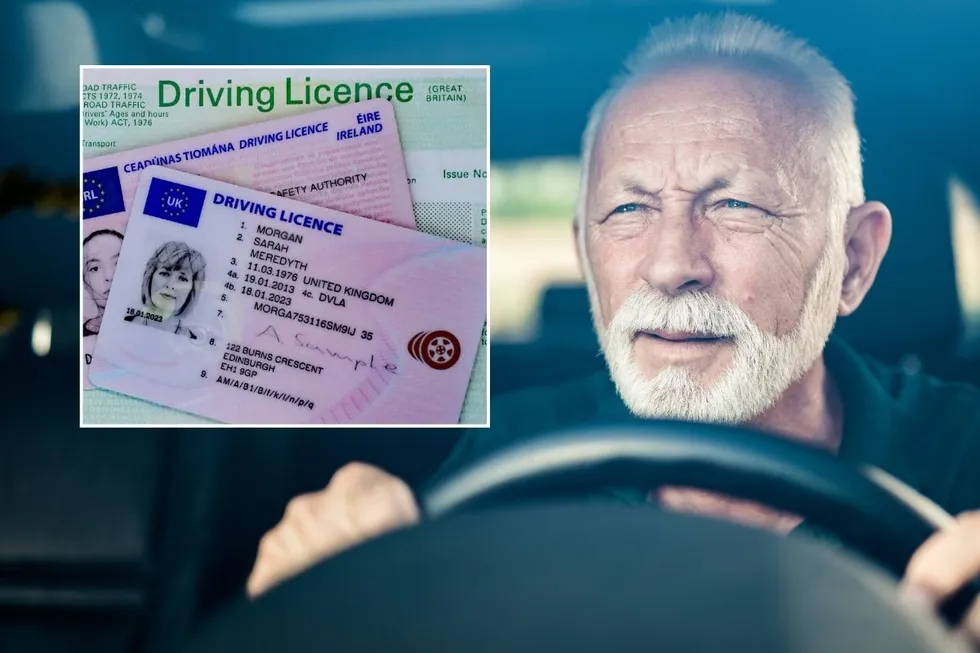
The familiar jingle of car keys has long symbolized independence for senior drivers, granting them the freedom to navigate their world with autonomy. However, as the global population ages, the debate over whether this freedom should come with an expiration date is intensifying. Balancing public safety with the cherished independence of older adults presents a nuanced challenge that governments across Europe and North America are actively examining. As lawmakers explore age-based driving license withdrawal policies, they face a complex interplay of safety, equity, and personal freedom concerns.
The Safety Argument for Age-Based Restrictions
At the core of the discussion about senior driving restrictions is the fundamental conflict between ensuring public safety and preserving personal freedom. Proponents of age-based driving restrictions argue that as individuals age, there is a natural decline in reaction times, vision clarity, and cognitive abilities, which can increase the likelihood of road accidents. Citing data from the World Health Organization, they highlight that road traffic injuries are a leading cause of death and disability among older adults. For example, after the age of 70, the risk of being involved in a fatal crash notably rises. Countries like Japan, Singapore, and several European nations have taken proactive measures by implementing mandatory driving assessments or imposing age-based license withdrawals to mitigate these risks.
The Independence Conundrum
Despite the apparent logic behind these safety measures, critics warn against their potential overreach and impact on vulnerable populations. For many seniors, particularly those residing in areas where public transportation is limited or non-existent, driving represents more than just convenience—it is essential for accessing healthcare services, maintaining social ties, and participating actively in community life. Critics argue that revoking driving privileges based solely on age can unfairly strip seniors of their independence and dignity. This brings to light an emotive aspect: while public safety is paramount, so is ensuring that older adults maintain their quality of life.

Equity and Fairness: A Double-Edged Sword
The discourse surrounding age-based driving restrictions raises critical issues about equity and fairness. While such policies aim to protect public safety by addressing statistically higher risks among older drivers, opponents suggest they disproportionately affect lower-income seniors who might lack alternative transportation options. In many cases, losing a driver’s license can impose significant hardships on seniors living in rural or suburban areas where public transit infrastructure is sparse or underdeveloped. This disparity underscores a need for comprehensive policy approaches that consider not only safety but also accessibility and support for affected communities.
Towards a Balanced Approach
As countries deliberate on how best to address senior driving issues by March 31, 2026, finding middle ground seems imperative. Policymakers are urged to explore solutions beyond blanket bans or rigid age thresholds. Many experts advocate for individualized assessments that evaluate each senior’s physical and cognitive capabilities rather than implementing broad age cut-offs. Innovations in technology also hold promise; advanced driver-assistance systems could enhance vehicle safety for older drivers while preserving their autonomy.
In addition to technological solutions, improving transportation infrastructure plays a crucial role in this evolving landscape. Expanding access to reliable public transport services and creating more age-friendly urban environments can mitigate some challenges faced by seniors who may lose their ability to drive.

The Future of Senior Mobility
As this debate unfolds globally with potential changes coming by March 31, 2026, it becomes clear that reimagining mobility for seniors requires thoughtful integration of policy innovation and empathy towards individual needs. While safeguarding roadways remains a priority, equally important is ensuring that older adults do not face isolation or diminished quality of life due to policy shifts. Collaborative efforts involving governments, communities, and industries will be essential in crafting solutions where independence coexists with safety—a future where the jingle of car keys might evolve but will always resonate with freedom.
Disclaimer: This article provides general information based on current discussions around senior driving license withdrawal policies as of March 2026. It does not constitute legal advice or reflect any specific legislative outcomes related to these topics at this time.